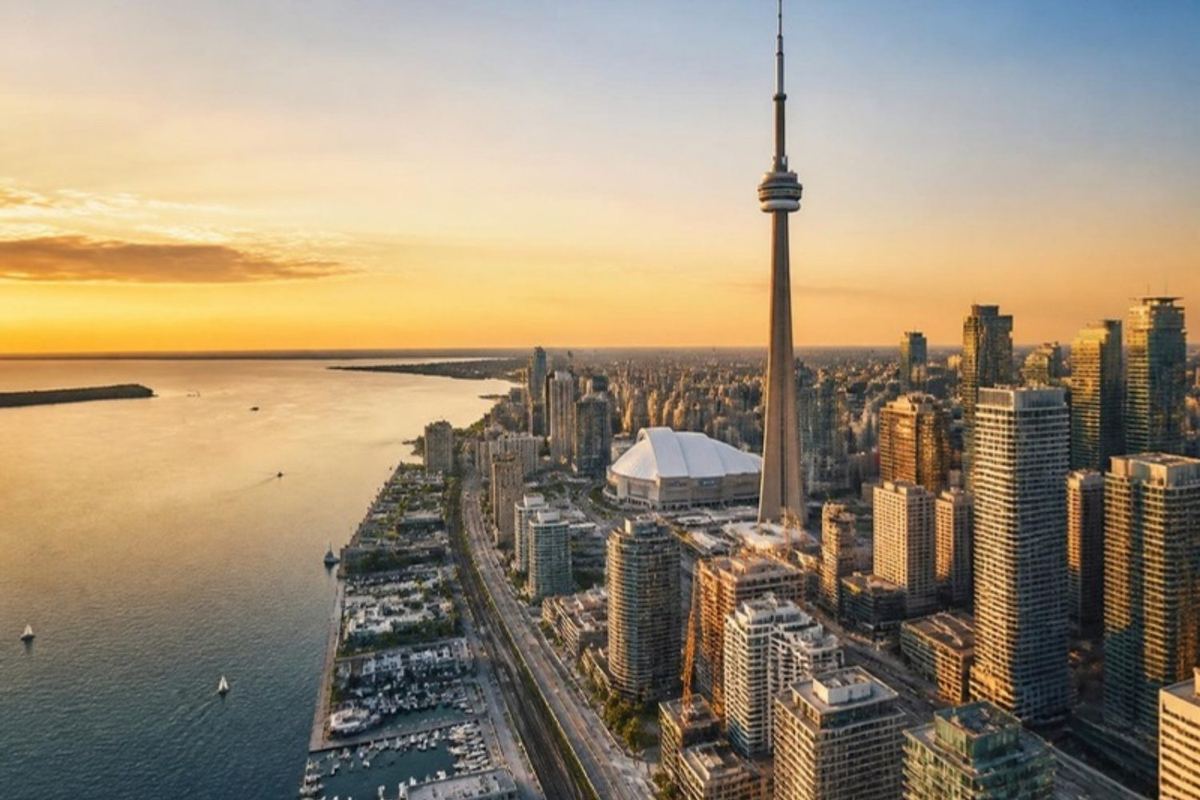
Toronto
- Canada's largest city, on the shore of Lake Ontario.
- Students graduate with the Ontario Secondary School Diploma (OSSD).
- On this site: Toronto District School Board, Toronto Catholic District School Board and private schools in the city.
Compare Canadian public school districts, private schools and CAIS schools on one screen. Filter by annual tuition, language of instruction, homestay and special programs such as IB, AP and sports academies.
Data sources: public school districts from their member pages on caps-i.ca (Canadian Association of Public Schools – International), read on 11 October 2026; private and CAIS schools from official school websites, compiled October 2026. Public district fees are tuition for one academic year for secondary students; homestay, health insurance, application and custodianship fees are listed separately in each district's details unless noted. Most CAPS-I pages do not state which school year a fee applies to. Schools update fees every year; we confirm the exact amount with the school before you apply.
You've compared countries, read the rankings and asked the hard questions about safety. This is where that research becomes a clear, verified plan.
Canada's public school districts and accredited private schools are regulated by provincial governments. Students travelling without a parent have a legally appointed custodian in Canada and live with a host family selected and monitored by the school district, or in a supervised residence. Your child graduates with the same provincial diploma Canadian students earn: the credential Canadian universities know best.
In the classroom, in the lab, on the ice and at the host family's dinner table: this is what your child's day looks like.
 In classTeacher-led lessons alongside Canadian classmates.
 One-on-one helpA teacher at the student's side when a topic is new.
 Science labExperiments done by hand, in small groups.
 School teamIce hockey and other school sports after class.
 Host family dinnerThe evening meal at a Canadian family table.
 Graduation dayThe provincial diploma, cap in the air.
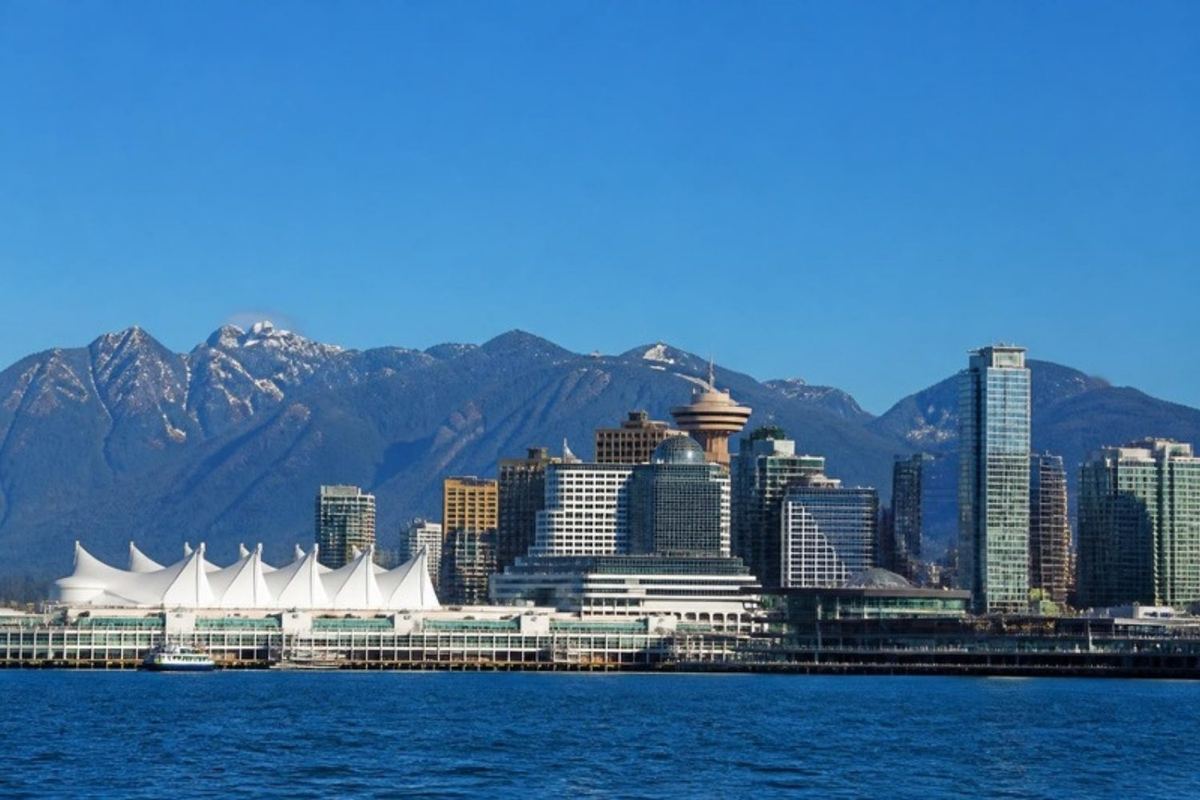
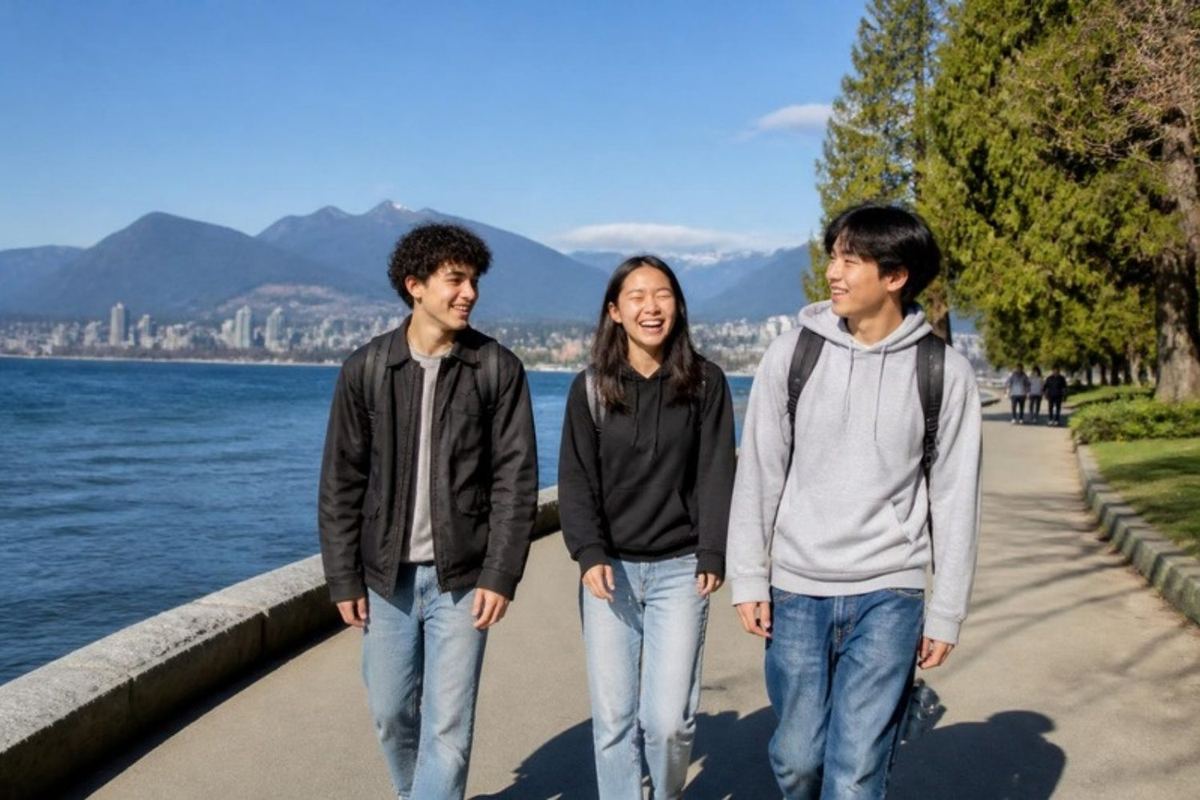
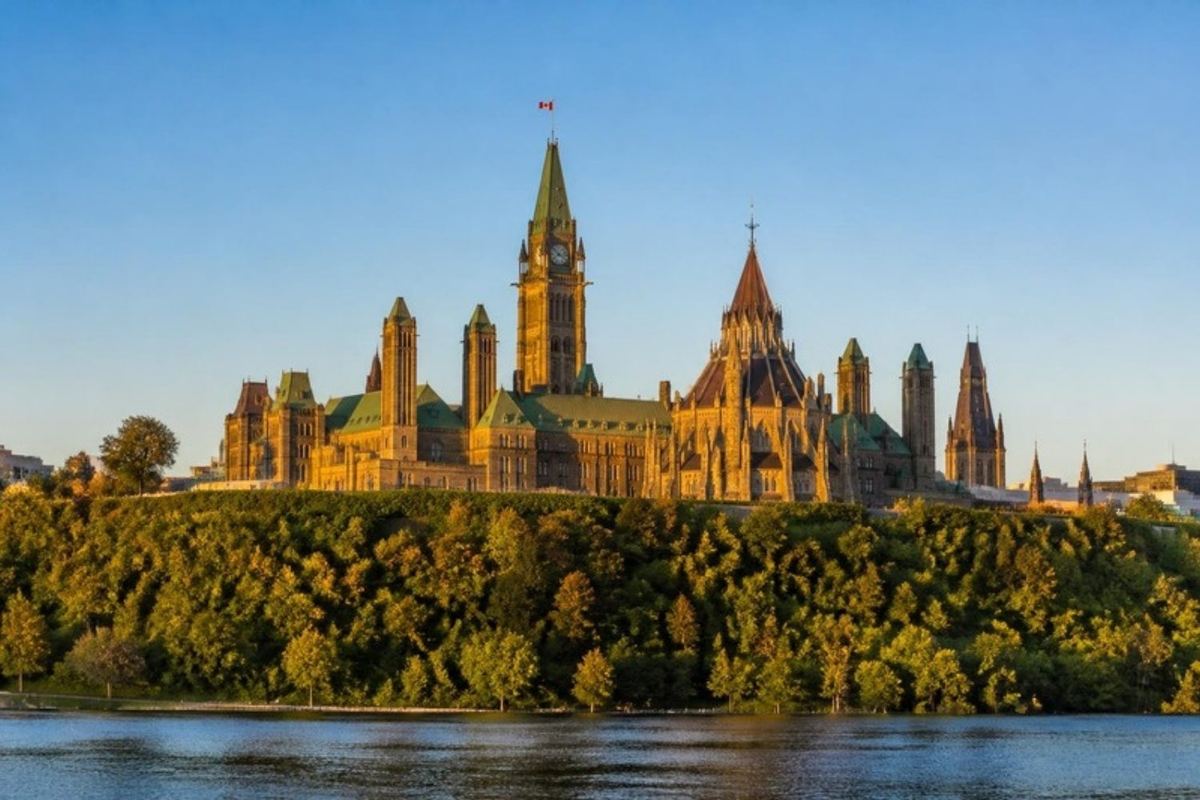
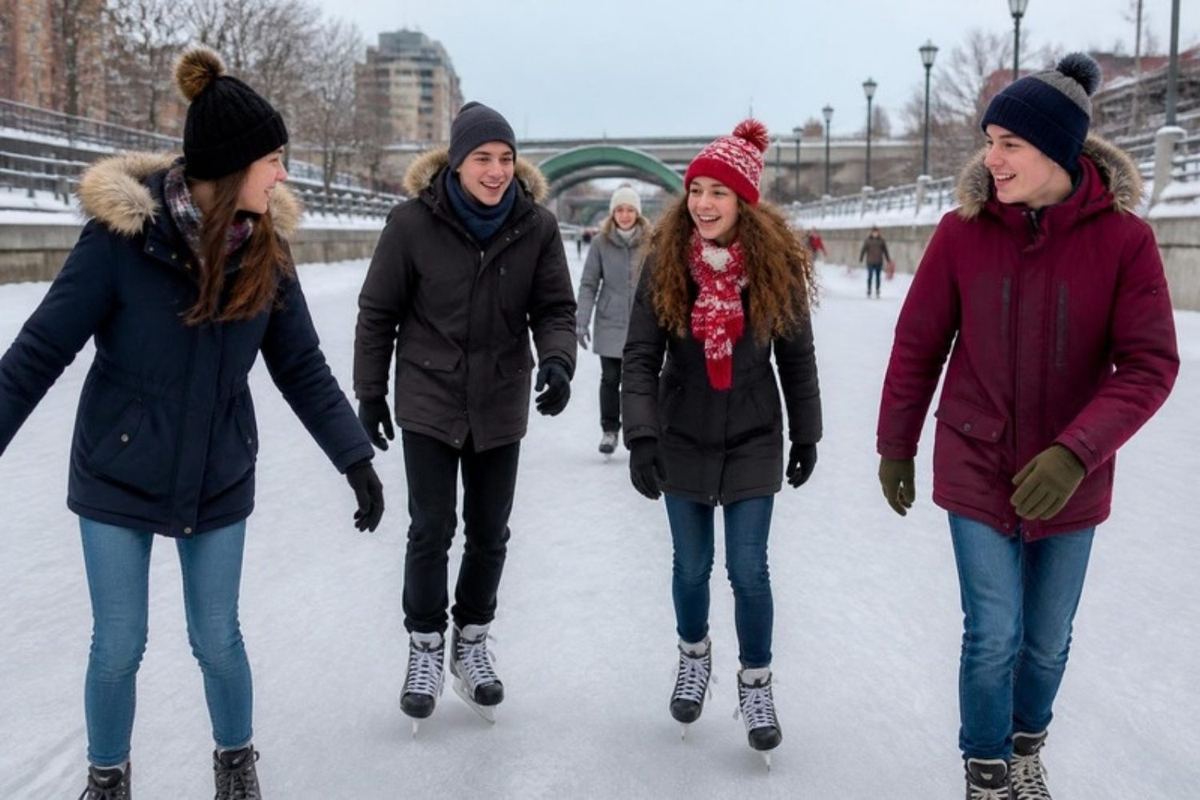
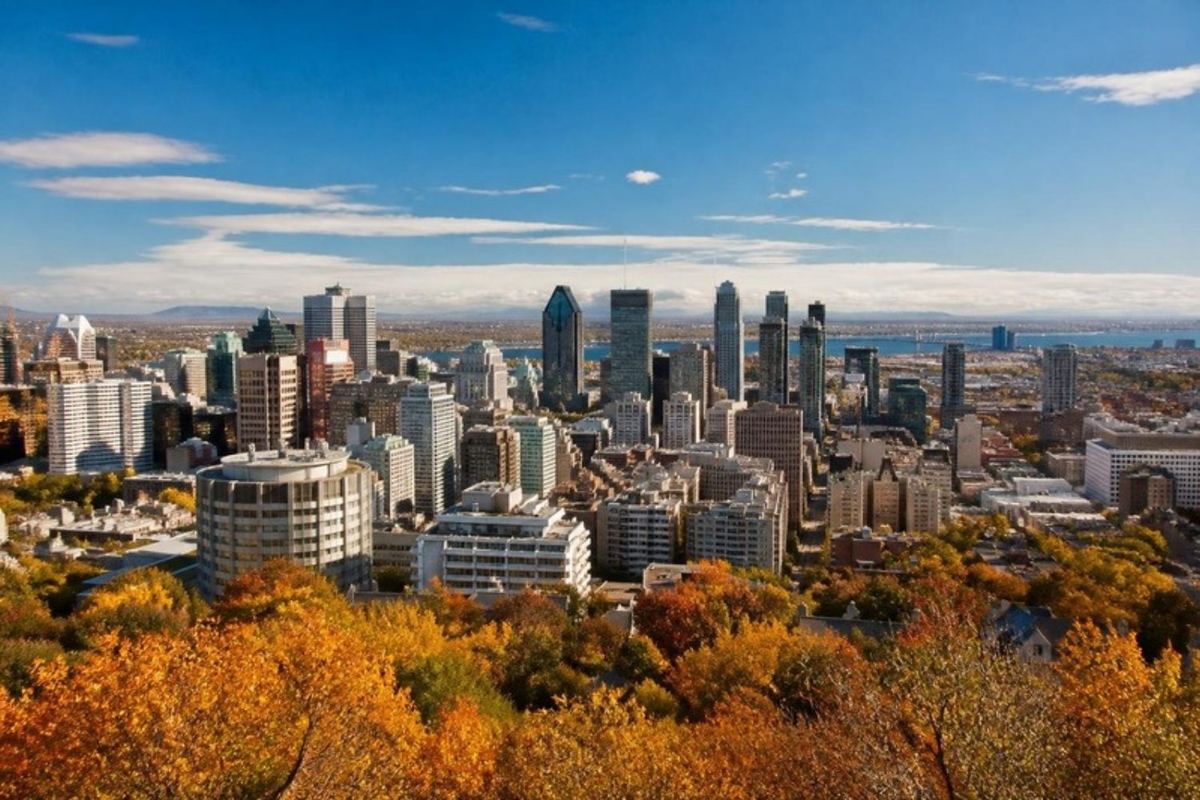
Toronto, Vancouver, Ottawa and Montréal each offer a different school system, language mix and pace of life. Compare them, then open the schools in that province.
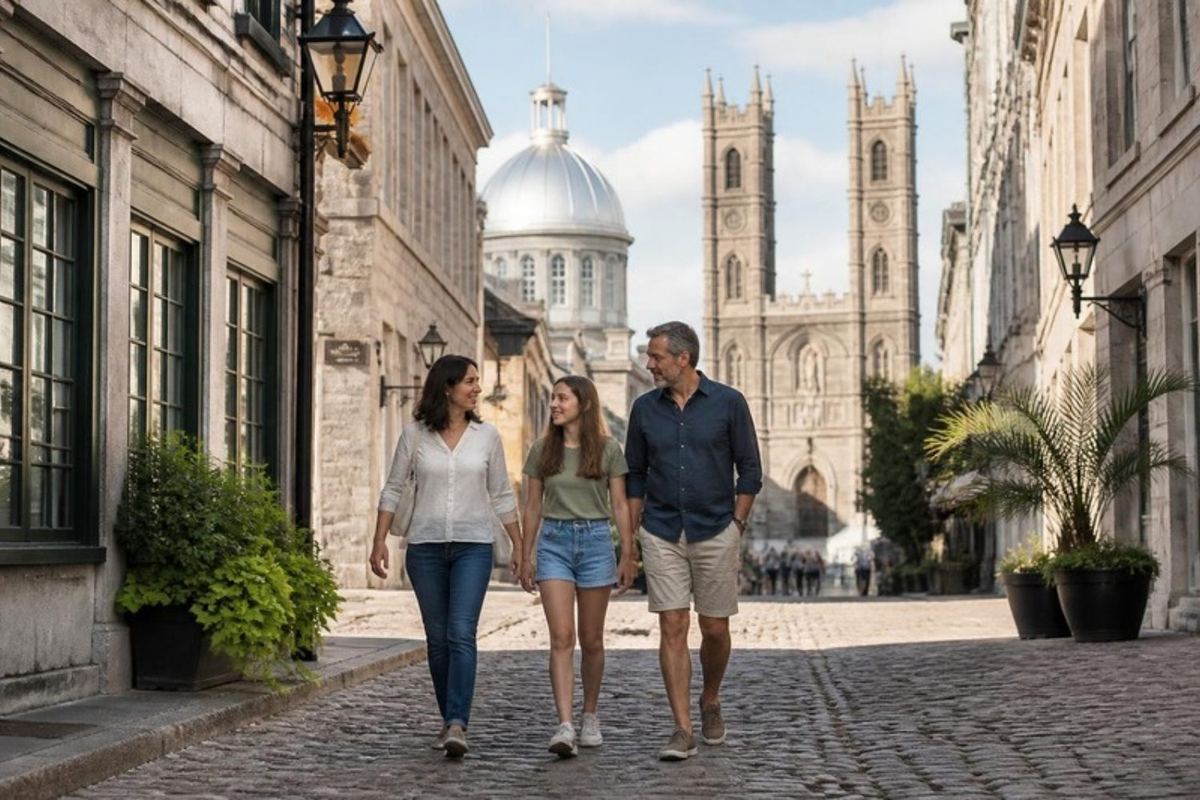
From the airport goodbye to graduation day: the moments families look forward to.
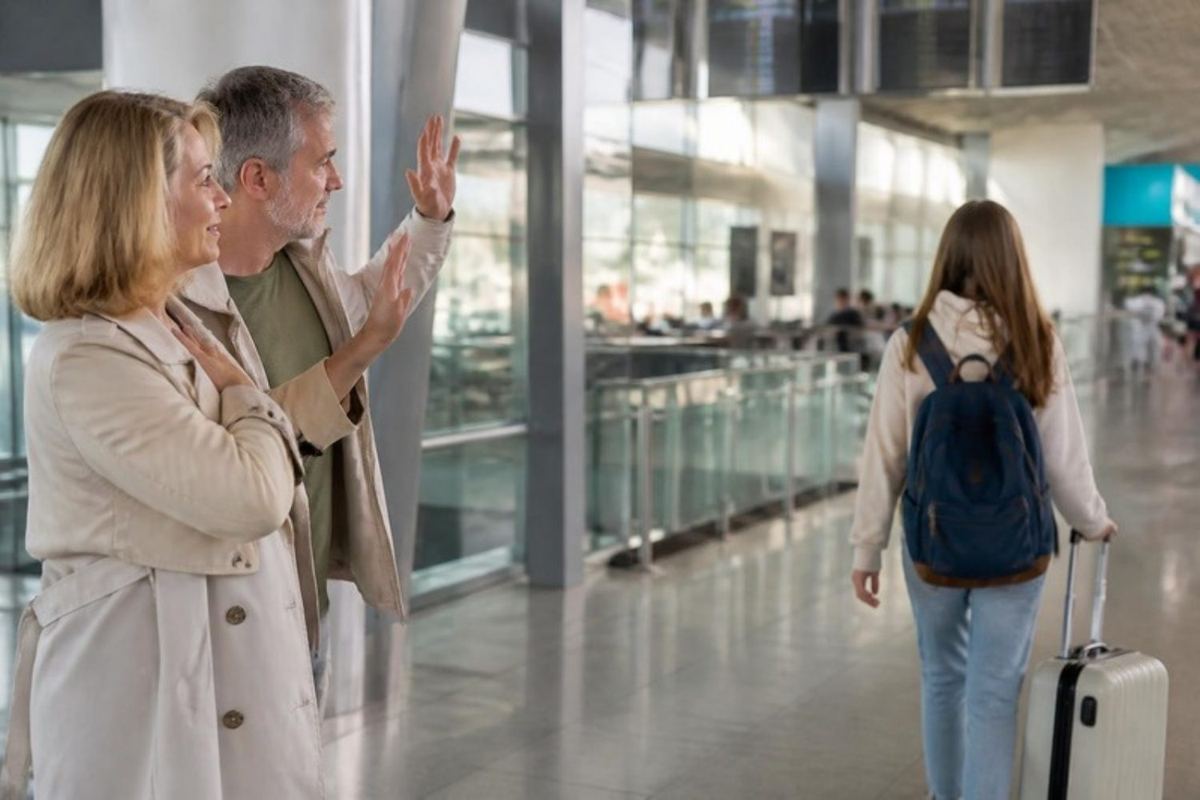
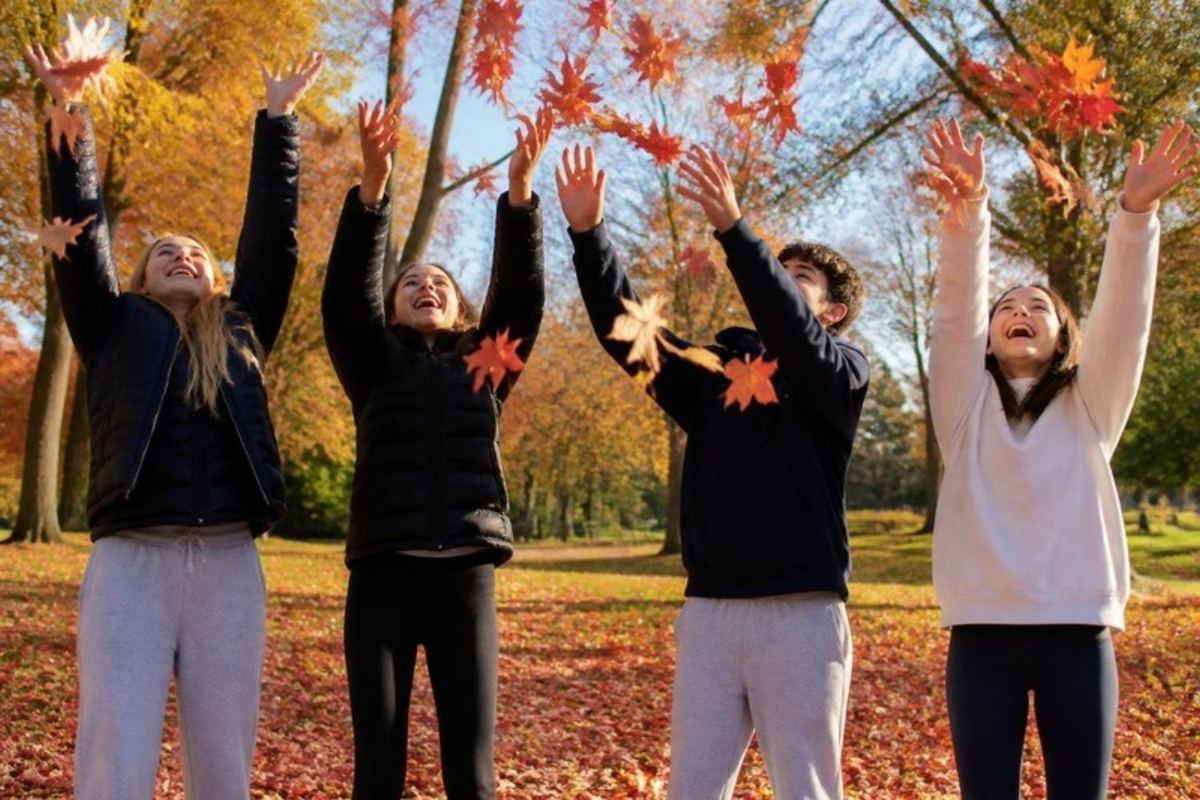
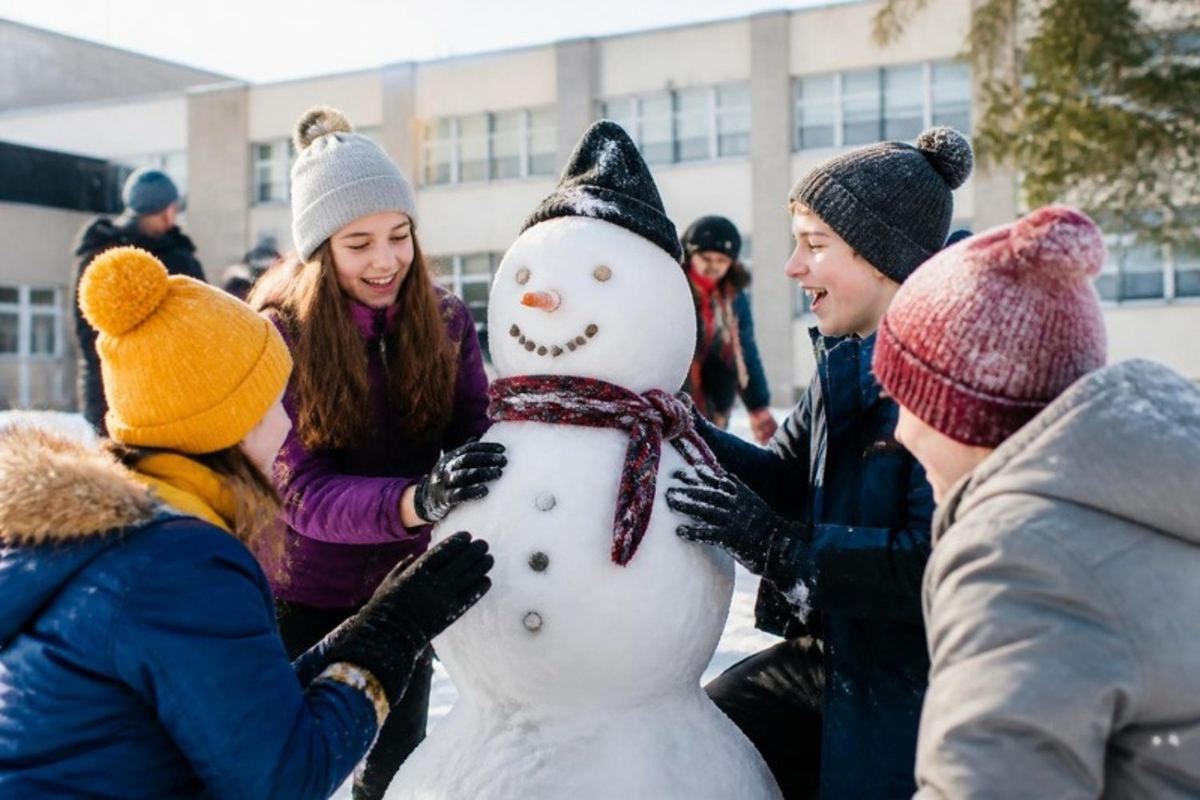


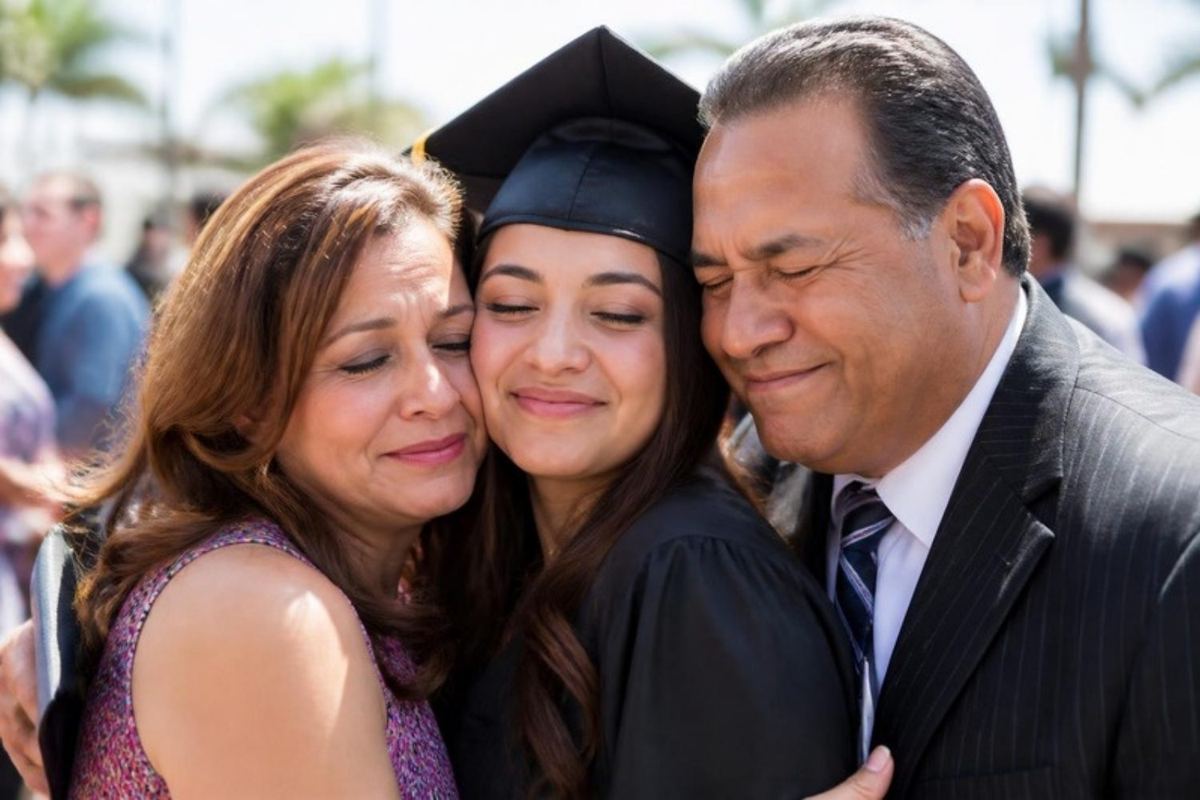
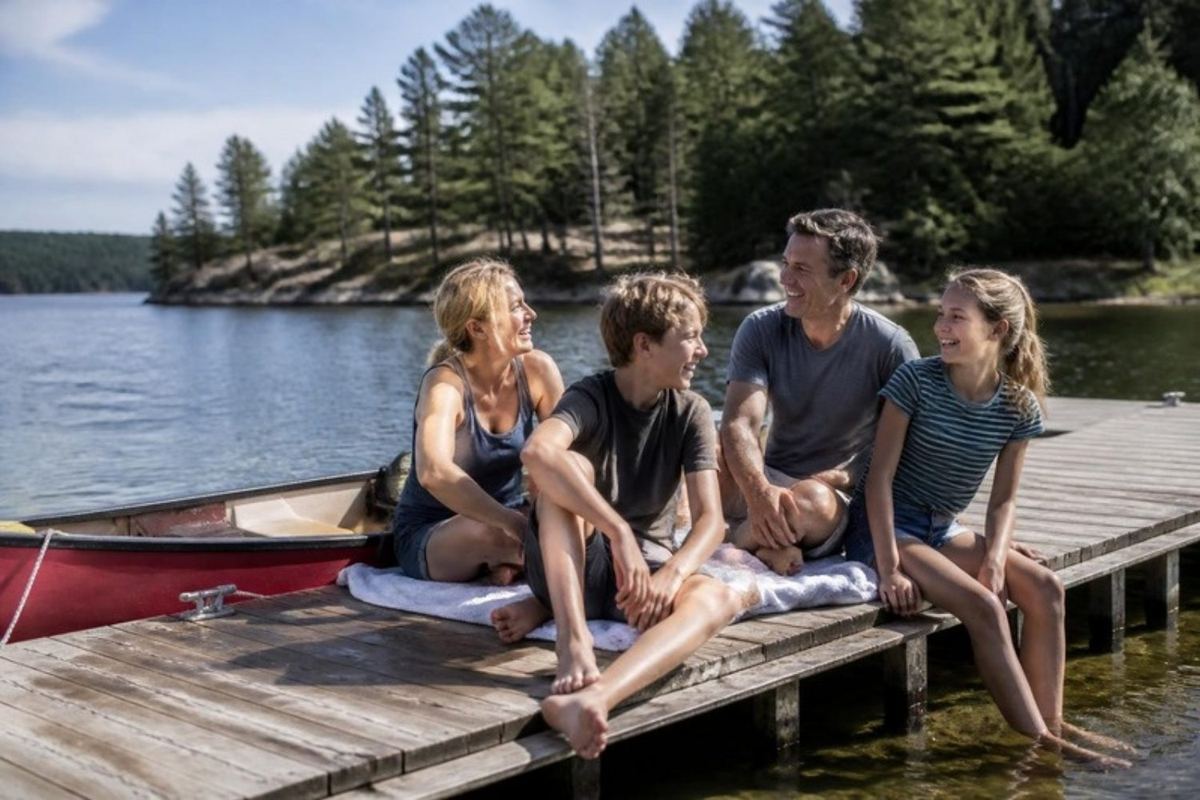
Illustrations are representative.
Looking for a boarding campus, smaller classes or flexible start dates? Explore private schools and CAIS schools. Every school has its own page.

School choice, applications, costs, accommodation, visas and university entry: the questions parents ask most.
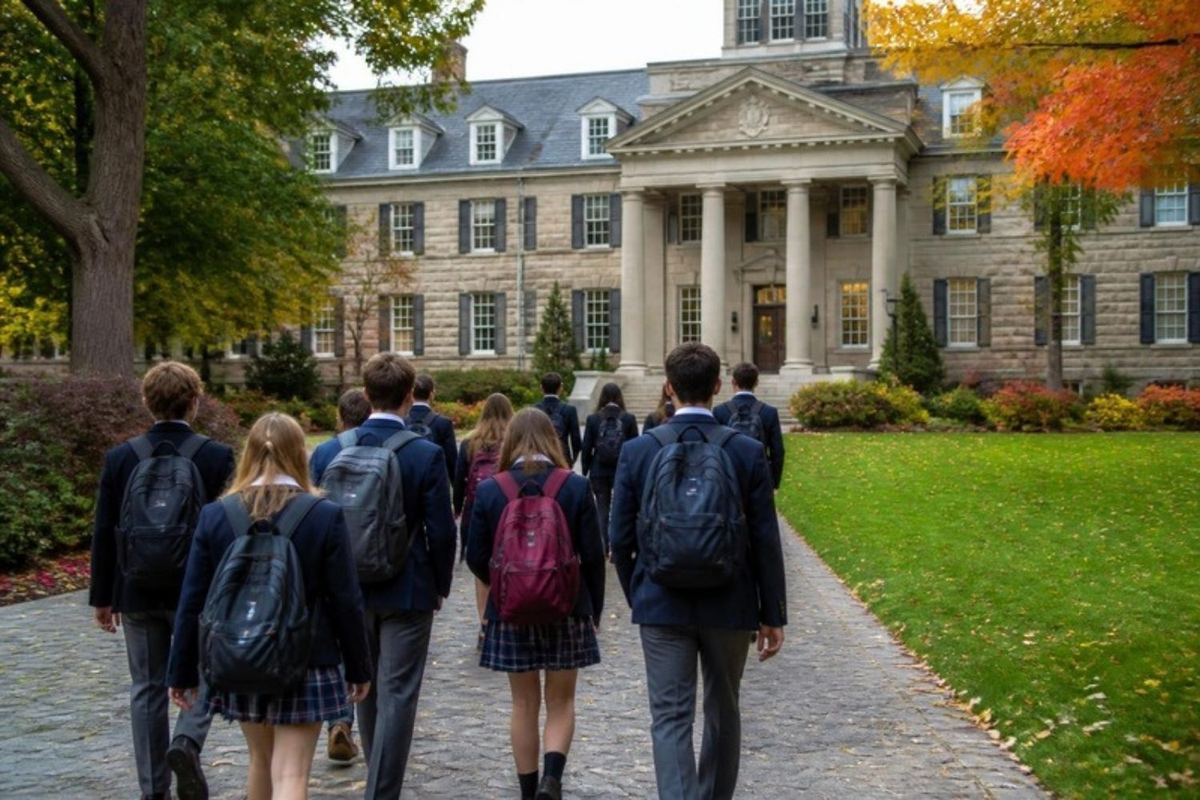
OSSD and Dogwood programs, school residence or homestay, multiple intakes per year.
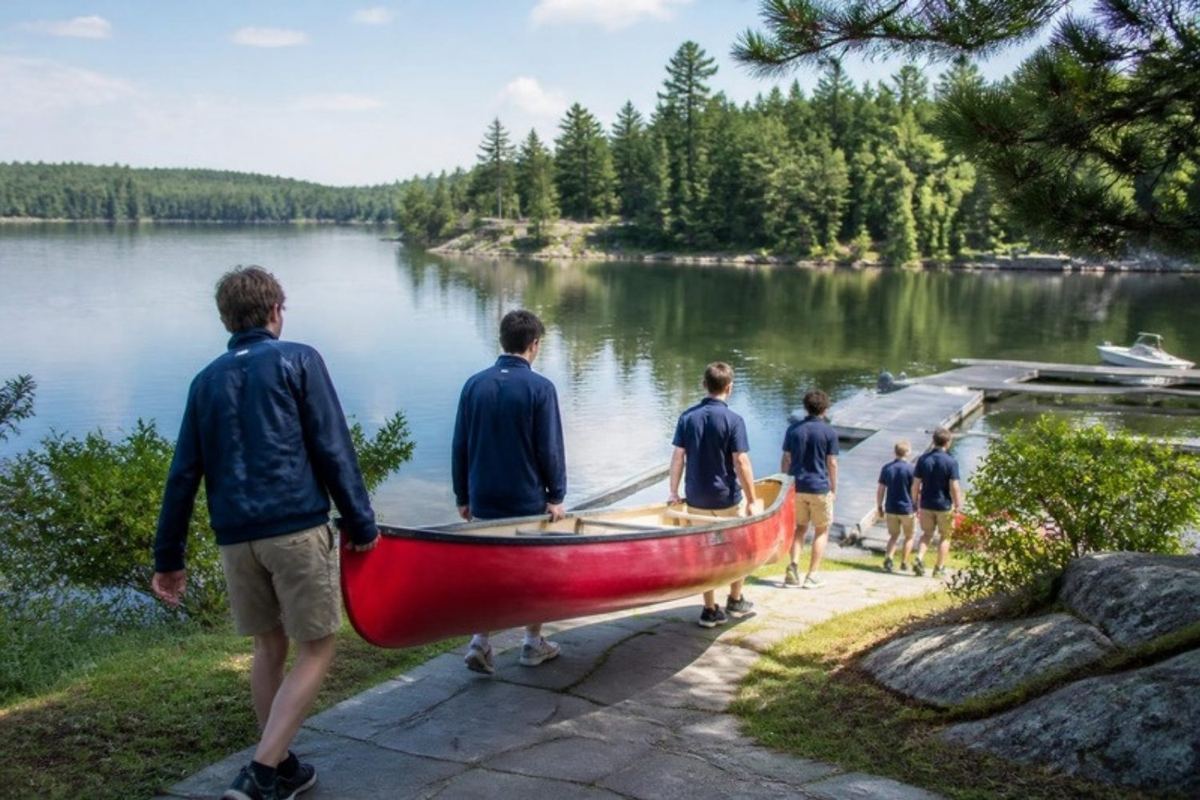
Long-established independent schools, most with boarding, inspected against national standards. Applications open a year in advance.
Private schools that accept international students, with flexible start dates during the year and university preparation programs. This list is not a ranking.
Fees were taken from official school websites in October 2026 and vary by school year. A few figures come from third-party guides and are marked in the school's details; confirm them with the school. Fees and admission requirements can change.
CAIS (Canadian Accredited Independent Schools) reviews independent schools in Canada against national standards. It is an accreditation, not a diploma: each school awards its provincial diploma. Most of these schools are boarding schools, and many admit students only in September. This list is not a ranking.
Fees were taken from school websites in October 2026. Fees and admission requirements can change; confirm with the school before applying.
We narrow the options by age, academic record, English level and budget. The first consultation is free.
Education in Canada is a provincial responsibility. Your child follows the curriculum of the province where they study and earns that province's diploma.

| Province | Diploma | High school grades | To graduate |
|---|---|---|---|
| Ontario | OSSD (Ontario Secondary School Diploma) | 9–12 | 30 credits |
| British Columbia | Dogwood Diploma | 8–12 (graduation program 10–12) | 80 credits |
| Alberta | Alberta High School Diploma | 10–12 | 100 credits |
| Quebec | DES (Secondary School Diploma) | Secondary I–V (Grades 7–11) | Graduation after Grade 11; CEGEP before university |
| Manitoba | Manitoba High School Diploma | 9–12 | 30 credits |
| Saskatchewan | Saskatchewan Grade 12 diploma | 10–12 | 24 credits |
| Nova Scotia | Nova Scotia High School Graduation Diploma | 10–12 | 18 credits |
| New Brunswick | New Brunswick High School Diploma | 9–12 | 100 credit hours (graduates from 2026) |
| Newfoundland and Labrador | High school graduation diploma | 10–12 (Level I–III) | 36 credits |
| Prince Edward Island | Senior High School Graduation Certificate | 10–12 | 20 credits (25 in the French program) |
Credit requirements are set by provincial ministries of education and may change. We plan how grades completed in your home country convert to credits with the school before you apply.
Let's confirm credit transfer and the graduation plan before you apply. The first consultation is free.
Compiled from the fees on this site's school pages. Amounts are in Canadian dollars (CAD) per academic year.

Tuition, accommodation, insurance and visa costs, itemized for the school you choose.
In high school applications, mistakes happen most often in the custodianship documents and the financial file. This is the path we follow, from choosing a school to boarding the flight.

Province and school type are chosen based on the student's grade, marks, English level and the family's budget.
Transcripts, passport and application form go to the school district. September intake usually closes in spring.
Issued once school fees are paid. This document is the foundation of the visa file.
Homestay placement is arranged. The Custodianship Declaration (IMM 5646) is notarized separately in Canada and in the family's home country.
Filed online with IRCC with financial documents, a letter of explanation and family documents, followed by biometrics.
Airport pickup, meeting the host family and school orientation are planned. Parents are kept informed throughout.
A refusal stays on file and is asked about in your child's future applications to Canada, the United States, the United Kingdom and the Schengen area. That is why the file should be complete and consistent the first time.

Most districts accept international students for Grades 9–12. Districts offering programs for younger students usually require a parent to accompany the child.
Public districts have no central entrance exam. Applications are assessed on transcripts and documents, and the school may run an English placement test on arrival. Selective private schools may require an interview and a test.
Recognition is handled by each country's education authority. We review the recognition requirements and the university plan with you before you apply.
Yes. Many districts offer a single-semester program of about 5 months, and some offer short programs of 1–4 months. Plan course equivalency with the home school in advance.
It is possible. The parent must apply for and receive their own visa. We determine the right visa type based on the family's situation.
The diploma is the same. Public districts offer classes alongside Canadian students at a lower cost. Private schools offer small classes, flexible intakes and boarding. The student's age, English level and goals decide.
The first consultation is free. An advisor will reply within 1–2 business days and clarify the schools that fit your child's profile, the total budget and the visa timeline.

Schools on your list: none yet. Add schools from the finder above.
This form does not store your information or files anywhere. They reach us only when you send them. Email delivers the message with your files; WhatsApp opens with the message ready, and you can add the files in the chat.